Abandoned Buildings in Virginia
Virginia has no shortage of old buildings. Some have been carefully preserved, some have been given new uses, and others have simply been left behind.
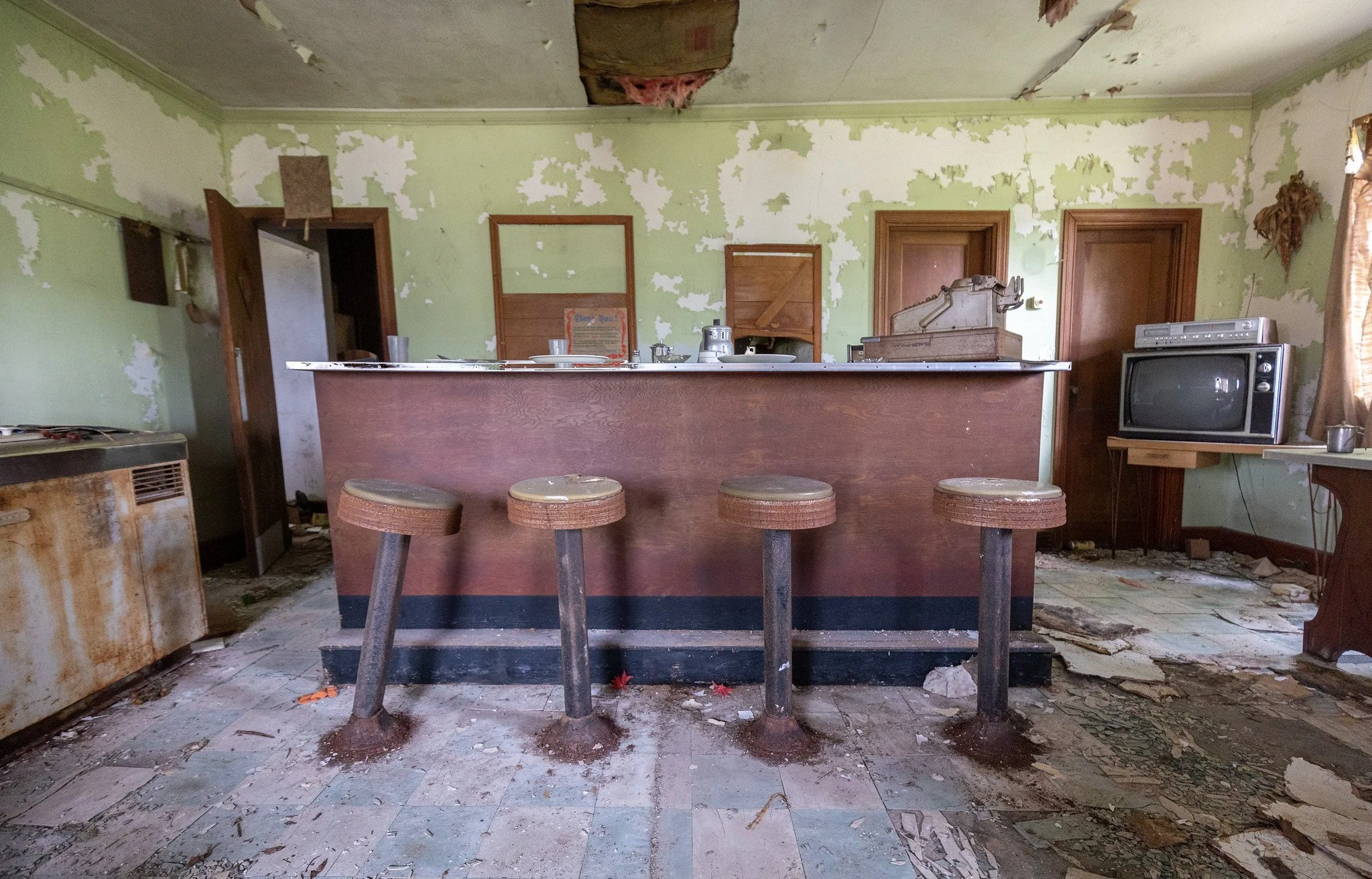
Over the years, I've photographed abandoned houses, schools, churches, factories, prisons, and other forgotten places throughout Virginia. Some were already in poor condition when I visited. Others were surprisingly intact, with furniture, signs, machinery, and other reminders of the people who once used them.
This page is a collection of my photography and stories about abandoned buildings in Virginia, along with some of the better-known abandoned and historic places around the state.
Exploring Abandoned Places in Virginia
What interests me about abandoned buildings isn't just the way they look.
There's usually a story behind them.
An old farmhouse might have been home to the same family for generations. An abandoned school might have served a rural community for decades. A factory or mill might have once employed hundreds of people. And some of Virginia's larger abandoned properties have complicated histories that are still worth remembering.
When I photograph these places, I try to learn something about that history as well. The building itself is only part of the story.
Virginia is particularly interesting because of how much history is packed into the state. Buildings from different periods can be found alongside one another, and places that were once important to their communities can become almost forgotten within a generation or two.
Some of the Most Well-Known Abandoned Places in Virginia
There are many abandoned buildings and ruins around Virginia that have become well known among photographers, historians, and people interested in abandoned places.
Some are no longer abandoned, some have been restored or repurposed, and some are ruins rather than intact buildings. Their status can also change over time.
Some of the names commonly associated with abandoned places in Virginia include:
St. Albans Sanatorium
Laurel Hill House
The McKay Home
Rosewell Plantation Ruins
Nike Missile Control Site N-85
Old Pocosin Mission
Sailor's Creek Battlefield / Overton-Hillsman House
Swannanoa Palace
Penniman
The Abandoned Virginia Renaissance Faire Site
The condition and accessibility of these places varies considerably. Some are protected historic sites, some have been restored or repurposed, and others are on private property.
The list isn't intended as a guide to entering abandoned properties. Many abandoned buildings are privately owned, structurally unsafe, or otherwise closed to the public.
Dunnington Mansion
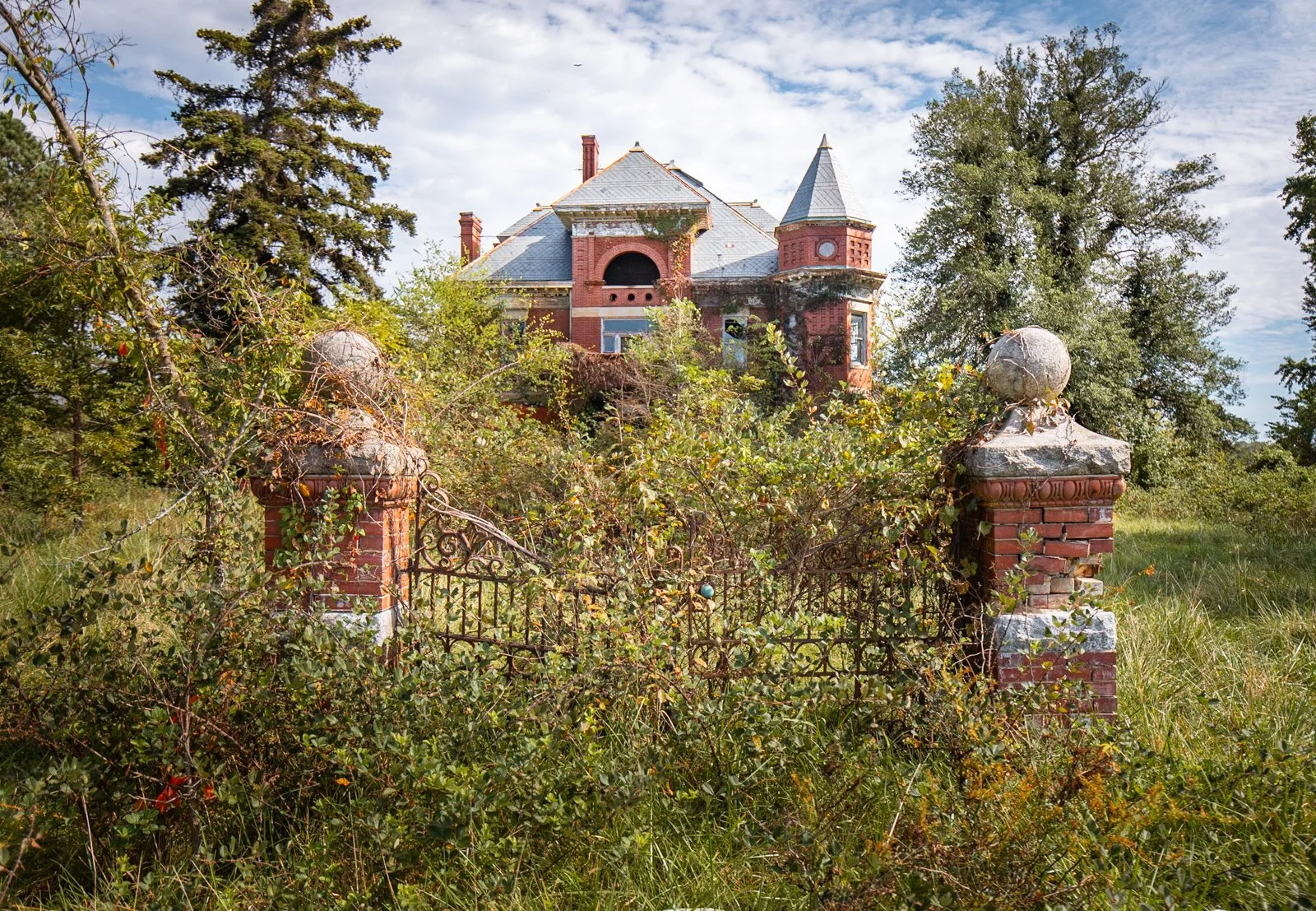
One of the more interesting abandoned houses I've photographed in Virginia is Dunnington Mansion, also known as Poplar Hill, near Farmville.
The history of the property goes back much further than the mansion that stands there today. The original property dates to the 1700s, and the house was expanded and rebuilt over several generations. Walter Grey Dunnington, a tobacco businessman, eventually oversaw a major expansion that turned the house into a large 14-room mansion of nearly 9,000 square feet.
The property remained occupied and maintained for much of the 20th century. Later plans called for the mansion to become part of a larger golf course development, but those plans fell apart during the economic downturn of the early 2000s.
For years, the mansion sat deteriorating.
I've photographed Dunnington Mansion and documented some of what remains of the house and its surroundings. It is a good example of how quickly a historic property can go from being an important part of a community to becoming an abandoned building.
Today, however, the story is changing. The Dunnington Mansion Foundation has taken ownership of the property and is working to preserve it. The foundation's work is an important reminder that an abandoned building doesn't necessarily have to end with demolition.
Read more: Abandoned in Virginia: Forgotten In Time
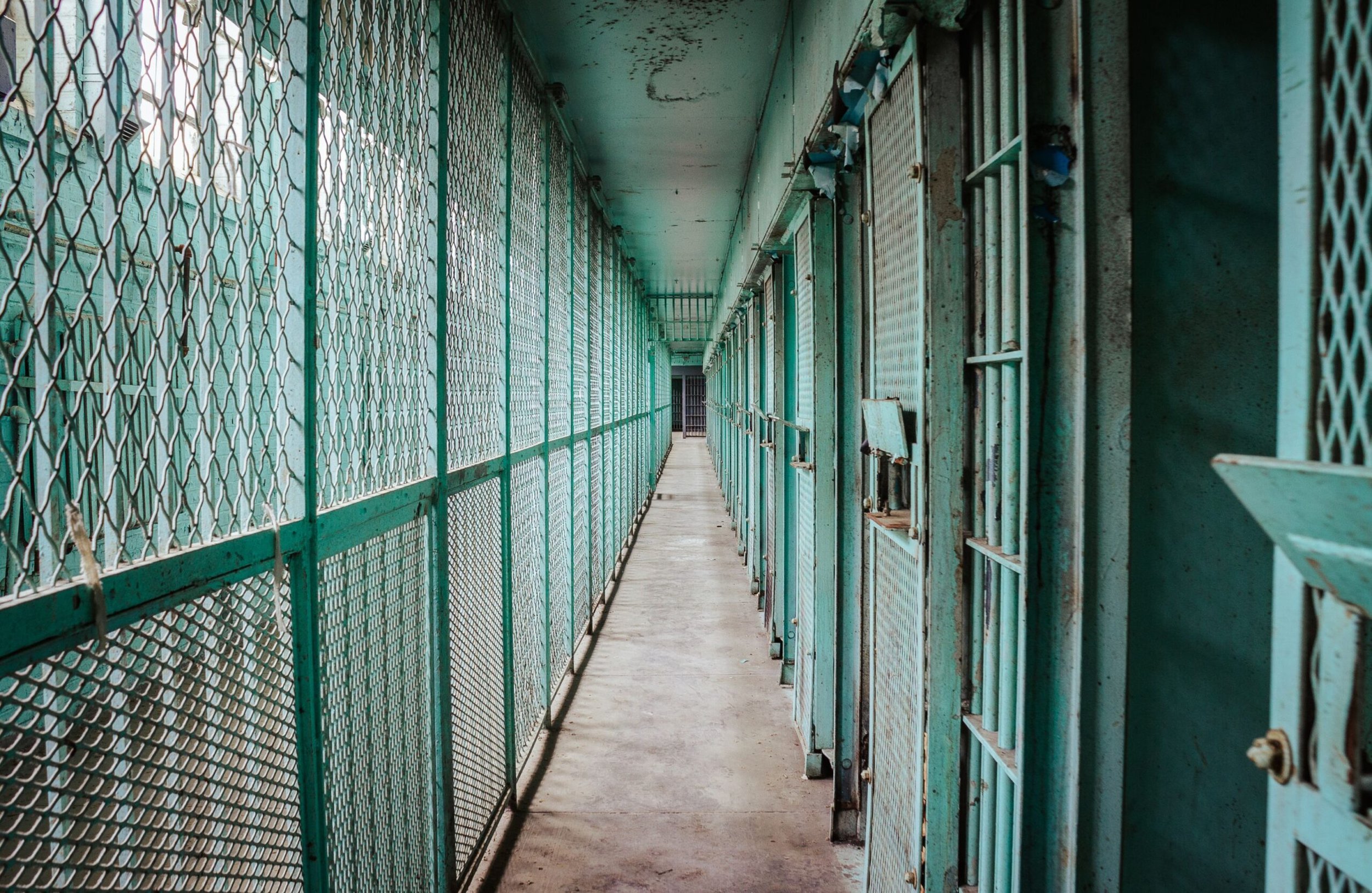
Lorton Reformatory
Another very different Virginia property I've photographed is Lorton Reformatory, originally known as the Occoquan Workhouse.
The facility opened in 1910 and was operated by the District of Columbia. It eventually grew into a large prison complex covering roughly 1,100 acres, with its own agricultural operations, factories, and even a railroad. Some of the later prison buildings were constructed using bricks made on the property from clay taken from the Occoquan River. SState of Abandoned
Lorton also has an important place in the history of the women's suffrage movement. In 1917, women arrested while protesting for voting rights in Washington, D.C., were imprisoned at the Occoquan Workhouse. Their treatment there became known as the "Night of Terror" and helped bring national attention to the treatment of suffragists in prison.
The prison eventually closed, and much of the property has since been redeveloped and repurposed. What was once an enormous correctional complex is now a very different place.
Read more: “The Hill”: The Infamous Lorton Reformatory Prison in Virginia and Abandoned in Virginia: Forgotten In Time
Why Abandoned Buildings Are Worth Photographing
An abandoned building can be easy to overlook.
A boarded-up house on a country road or an empty school at the edge of town might not seem particularly important. But once you start looking into the history, you often find that the building was an important part of someone's life.
That's what keeps me interested in photographing abandoned places.
The peeling paint and broken windows are interesting, but they're not really the point. I'm more interested in what happened there and why the building was left behind.
Photography also gives these places another life. Buildings are renovated, demolished, collapse, or are reclaimed by nature. The photographs remain.
Abandoned Houses, Schools, Churches and More
The abandoned buildings I've photographed in Virginia aren't limited to old houses and mansions.
I've also documented:
Abandoned houses and farmhouses
Abandoned churches
Abandoned schools
Abandoned prisons
Abandoned hospitals and asylums
Abandoned factories and industrial buildings
Abandoned businesses and shops
Each type of building tells a different story. A school can tell you something about a community's population. An abandoned factory can reflect changes in an area's economy. An old church can show how a rural community changed over time.
That's one of the reasons I like photographing a variety of abandoned places rather than concentrating on one particular type.
More Abandoned Buildings in Virginia
Below are more stories and photo galleries from my explorations of abandoned places in Virginia. I'll continue adding to this collection as I photograph and research more of the state's forgotten buildings.
Featured Abandoned Locations in Virginia